

Blog list
TMS Eyecare Blog
Learn more about optometrist care in our blog!

Seeing an occasional floater can be common, especially as we get older. However, a sudden increase in eye floaters, flashes of light, or changes in your field of vision should not be ignored. These symptoms can sometimes signal a problem involving the retina that requires prompt evaluation.

Diabetes can affect your eyes long before you notice blurry vision or other changes. That is why regular diabetic eye exams are an important part of protecting your long-term sight. At TMS Eyecare, we provide diabetic eye care in Kansas with a focus on identifying retinal changes as early as possible.

When a child struggles to concentrate, finish homework, or keep up with reading assignments, vision may not be the first concern that comes to mind. However, undiagnosed vision issues can make classroom tasks more tiring and frustrating. A student may become distracted simply because seeing the board, following lines of text, or maintaining clear focus requires too much effort.

Summer in Wichita is full of outdoor plans, workouts, travel, lake days, golf, running, and family activities. If you wear glasses or contacts, you may notice that heat, sweat, dust, and long days outside can make vision correction feel more complicated. For active adults, two popular options are Ortho-K and daily disposable contact lenses. At TMS Eyecare in Wichita, a contact lens exam can help determine which option fits your lifestyle, eye health, and vision goals.

Eye drops can be helpful for temporary dryness, but they do not always address why dry eye keeps coming back. If your eyes burn, water, sting, feel gritty, or get tired during the day, the real issue may be tear film instability or meibomian gland dysfunction. In those cases, more advanced dry eye treatment may be needed.
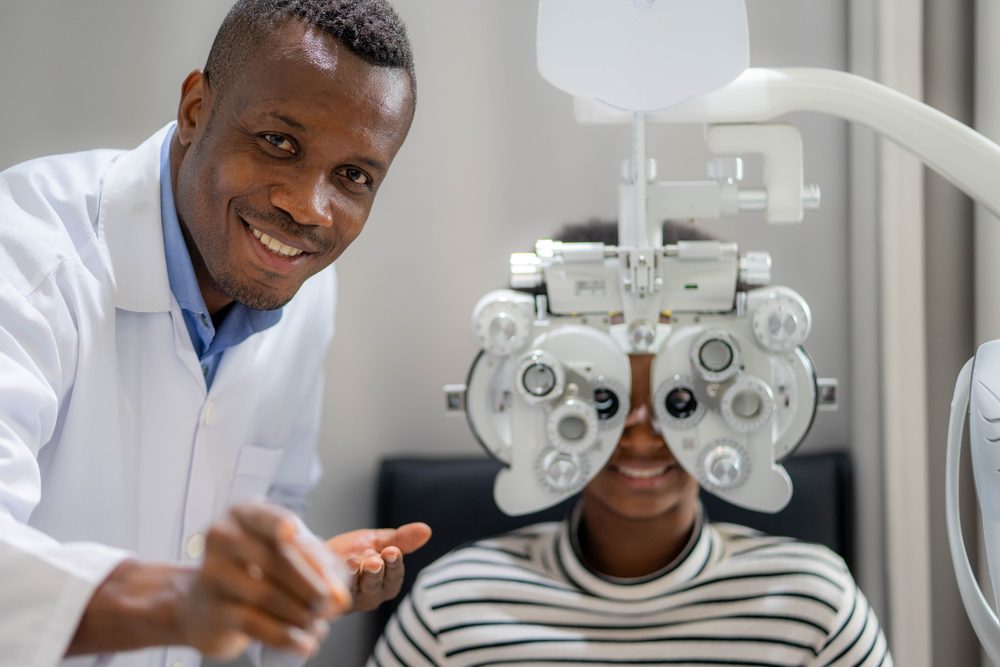
Children do not always know how to explain vision problems. Some may think blurry vision, headaches, eye strain, or trouble focusing is normal. A pediatric eye exam helps us check how well your child sees and how their eyes work together, while also looking for signs of eye health concerns that may affect learning, reading, sports, and everyday comfort.

Diabetic eye disease often develops before you notice any change in your sight. In the early stages, diabetic retinopathy may not cause pain or obvious symptoms, which is why routine diabetic eye exams are so important. For patients with diabetes in Wichita, early detection gives us the chance to identify small retinal changes before they affect daily vision.
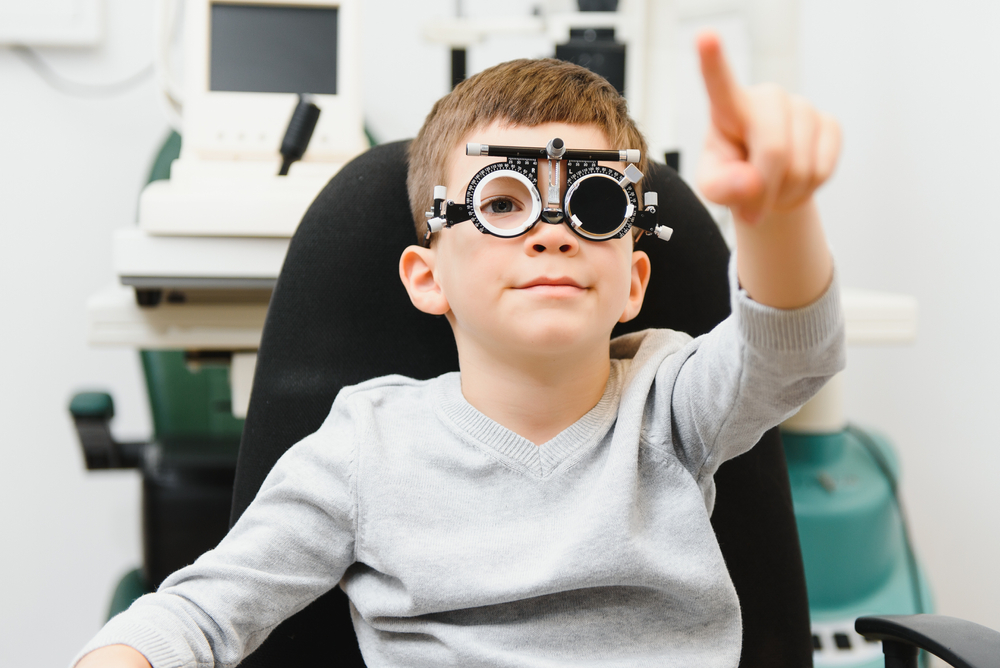
Children’s eyes change quickly as they grow, which is why a consistent eye exam schedule matters. Good vision supports learning, reading, sports, and daily development.
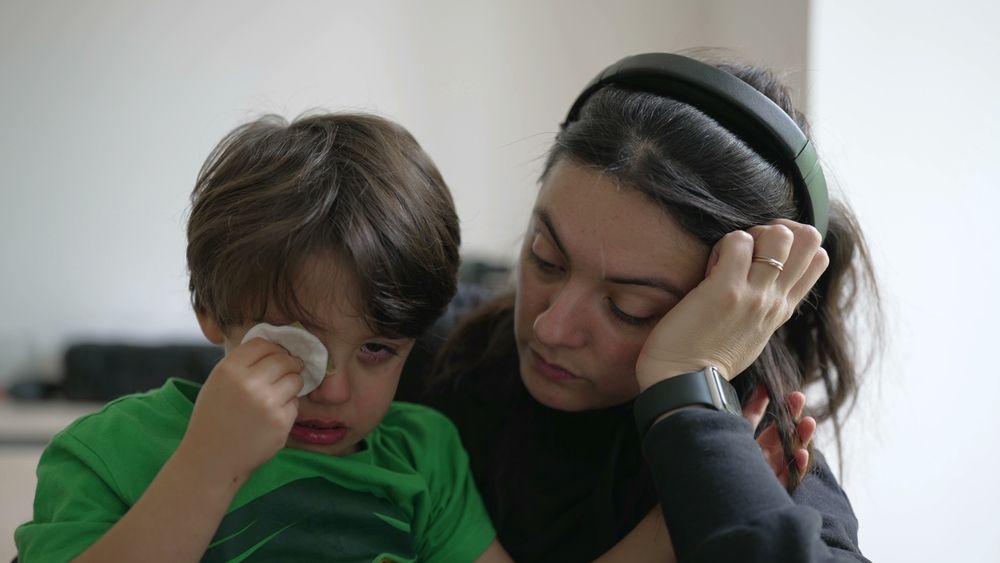
Clear, comfortable eyesight plays a crucial role in learning, development, and everyday activities. Because children may not realize they’re experiencing vision problems, it’s important for parents to understand common pediatric eye conditions and recognize the signs early.

When it comes to vision correction, one of the most common questions patients ask is: Are glasses or contact lenses better for my eyes? The short answer is - it depends.

All Eye
Care Services

Keep
In Touch

At TMS Eyecare, We provide the highest quality optometry services and compassionate eye care to ensure you and your family is healthy and happy.
TMS Eyecare
© 2026 TMS Eyecare. All Rights Reserved. Accessibility Statement - Privacy Policy - Terms and Conditions - Sitemap
