Diabetic eye disease often develops before you notice any change in your sight. In the early stages, diabetic retinopathy may not cause pain or obvious symptoms, which is why routine diabetic eye exams are so important. For patients with diabetes in Wichita, early detection gives us the chance to identify small retinal changes before they affect daily vision.
Why Early Detection Matters
Diabetes can damage the tiny blood vessels in the retina over time. When those vessels weaken, they may leak fluid, bleed, or reduce healthy blood flow to the back of the eye. These changes can progress gradually, and by the time blurred vision, floaters, or dark spots appear, the condition may already be more advanced. That is why we focus on finding diabetic eye disease before symptoms start.
What We Look For During A Diabetic Eye Exam
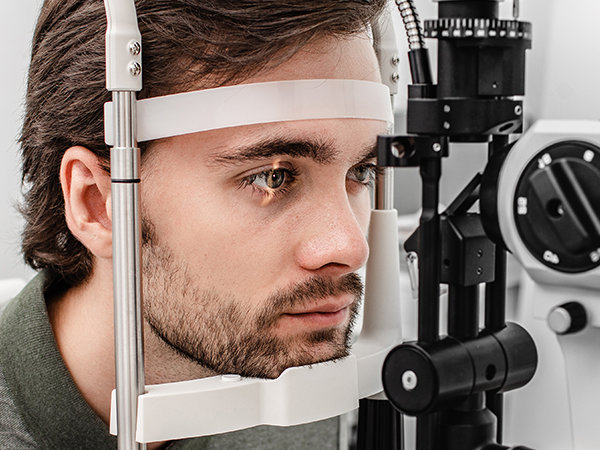
A diabetic eye exam helps us evaluate the health of your retina and look for early warning signs of diabetic retinopathy and other diabetes-related eye problems. Depending on your needs, we may recommend dilation and detailed retinal evaluation so we can see changes that are not visible to you day to day. Patients with diabetes are generally advised to have regular dilated eye exams, even when their vision seems stable.
Signs We May Catch Before You Notice Them
Early retinal changes are often subtle, but they matter. During diabetic eye exams, we may look for:
- Tiny blood vessel damage
- Retinal swelling or fluid leakage
- Bleeding in the retina
- Changes linked to diabetic macular edema
- Progression that may raise the risk of vision loss
Finding these issues early can help support timely treatment and better long-term eye health.
Eye Exams Are Part Of Protecting Overall Vision
Managing blood sugar, blood pressure, and cholesterol all play a role in reducing the risk of diabetic eye disease. Even so, medical management alone does not replace regular eye exams. Many people with diabetes skip annual visits, even though diabetic eye disease can develop without warning. For our Wichita patients, ongoing monitoring is one of the most important steps in protecting vision over time.
When To Schedule Your Visit
If you have Type 1 diabetes, Type 2 diabetes, or a history of diabetic eye changes, do not wait for symptoms to schedule care. Consistent diabetic eye exams allow us to monitor your eye health, document changes, and recommend next steps as early as possible. Detecting diabetic eye disease before vision changes occur can make a meaningful difference in preserving sight.
Contact TMS Eyecare in Wichita, KS by calling (316) 686-6063 to schedule your diabetic eye exam and stay ahead of diabetes-related vision changes.