

Diabetic Eye Exams in Kansas: What Optometric Retinal Imaging Detects Before You Notice Vision Loss

Diabetes can affect your eyes long before you notice blurry vision or other changes. That is why regular diabetic eye exams are an important part of protecting your long-term sight. At TMS Eyecare, we provide diabetic eye care in Kansas with a focus on identifying retinal changes as early as possible.
Retinal imaging allows us to examine structures at the back of the eye and look for signs of diabetic eye disease that may not cause noticeable symptoms in its early stages. Finding these changes early gives us an opportunity to monitor your eye health closely and recommend appropriate next steps.
How Diabetes Can Affect The Retina
The retina is the light-sensitive tissue at the back of the eye. It depends on a network of very small blood vessels to function properly. Over time, elevated blood sugar can damage these vessels and contribute to diabetic retinopathy.
Damaged retinal blood vessels may leak blood or fluid, swell, or become blocked. In more advanced cases, abnormal new blood vessels can develop. These changes can eventually interfere with vision, but diabetic retinopathy may progress for some time before you notice anything is wrong.
That is why we do not recommend waiting for symptoms before scheduling a diabetic eye exam in Kansas.
What Retinal Imaging May Reveal
Retinal imaging gives us a detailed view of the back of your eyes. During a diabetic eye exam, these images can help us look for changes associated with diabetes, including:
Small areas of bleeding within the retina
Fluid leakage or retinal swelling
Changes in tiny retinal blood vessels
Abnormal blood vessel development
Other changes involving the retina or optic nerve
The information gathered during imaging is considered alongside the rest of your eye examination. Depending on what we find, we may recommend continued monitoring, additional testing, changes in follow-up frequency, or referral for further treatment.
Why You May Feel Fine Despite Retinal Changes
One of the challenges with diabetic eye disease is that early retinal damage may not immediately affect central vision. You may still be able to read, drive, work, and see clearly while changes are developing elsewhere in the retina.
By the time symptoms such as blurred vision, dark spots, fluctuating vision, or noticeable vision loss appear, diabetic retinopathy may be more advanced. Routine diabetic eye exams help us identify potential problems before relying on symptoms to signal that something has changed.
Who Needs Diabetic Eye Exams?
Both Type 1 and Type 2 diabetes can increase the risk of diabetic retinopathy. Risk may also increase when diabetes has been present for many years or when blood sugar, blood pressure, or cholesterol are not well controlled.
Your recommended examination schedule depends on your individual health history and previous eye findings. We can help determine how often your eyes should be evaluated based on your specific level of risk.
What To Expect During Your Appointment
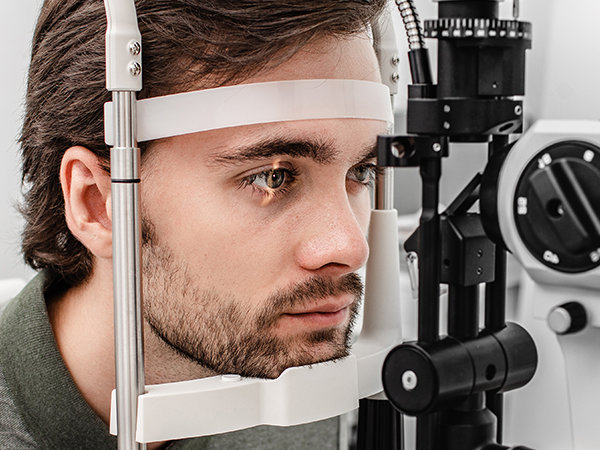
A diabetic eye exam includes an evaluation of your vision and the health of your eyes. We may use dilation and retinal imaging to obtain a clearer view of the retina and other internal eye structures. The images allow us to document what your eyes look like at that visit and compare findings over time.
If you have diabetes, bring an updated medication list and any relevant information about your recent blood sugar management or medical care. Let us know about any new vision changes, even if they seem minor.
Schedule your diabetic eye exam with TMS Eyecare at our Wichita, KS locations by calling (316) 686-6063 or (316) 686-7212, or contact our Arkansas City, KS office at (620) 442-2577.
All Eye
Care Services

Keep
In Touch

At TMS Eyecare, We provide the highest quality optometry services and compassionate eye care to ensure you and your family is healthy and happy.
TMS Eyecare
© 2026 TMS Eyecare. All Rights Reserved. Accessibility Statement - Privacy Policy - Terms and Conditions - Sitemap
